Research in Motion: Understanding and Classifying Liquid-Phase Electron Microscopy
Research in Motion: Understanding and Classifying Liquid-Phase Electron Microscopy
28 January 2026
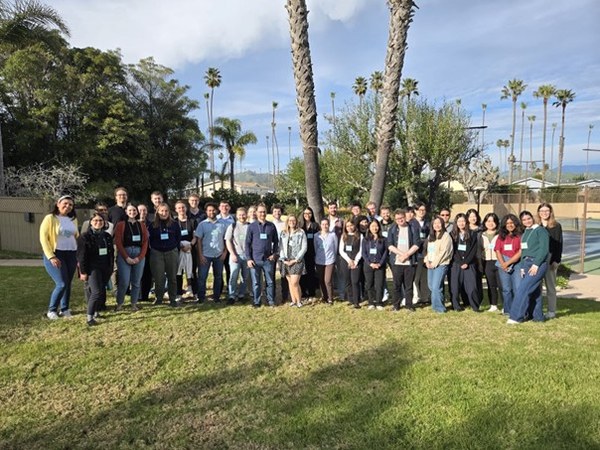
On January 24 and 25, young researchers attended this year's Gordon Research Seminar on “Liquid-Phase Electron Microscopy (LP-EM),” titled “Deciphering Dynamic Processes Using Correlative In Situ and Operando Microscopy.”
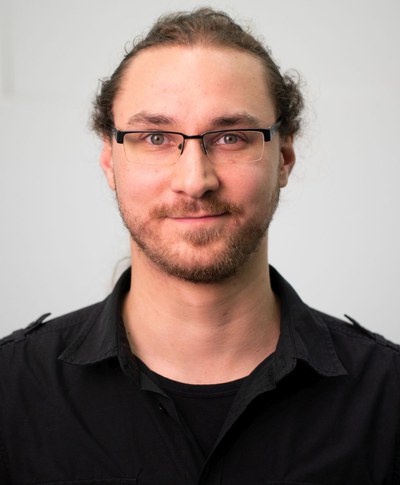
The two-day event was led by Dr. Andreas Hutzler from the Helmholtz Institute Erlangen-Nuremberg for Renewable Energy and Dr. Jennifer Cookman from the University of Limerick. The event is aimed at early-career researchers in physics, (electro)chemistry, materials science, nanotechnology, and semiconductor processing. In addition to lectures, the research seminar includes several discussion panels and a poster session. This allows participants to engage in direct exchange and fosters valuable collaborations.
Participants in the Gordon Research Seminar (LP-EM), Ventura, California, 2026Copyright: Jennifer Cookman
How Liquid-Phase Electron Microscopy benefits research
Liquid-phase electron microscopy (LP-EM) allows researchers to observe tiny nanostructures in liquids and track dynamic processes in real time. This helps researchers gain a better understanding of how electrochemical processes work in systems like fuel cells or electrolysers. In the long term, this knowledge could help improve the competitiveness of hydrogen technologies, as energy surpluses from renewable sources can be reliably stored and retrieved on demand.
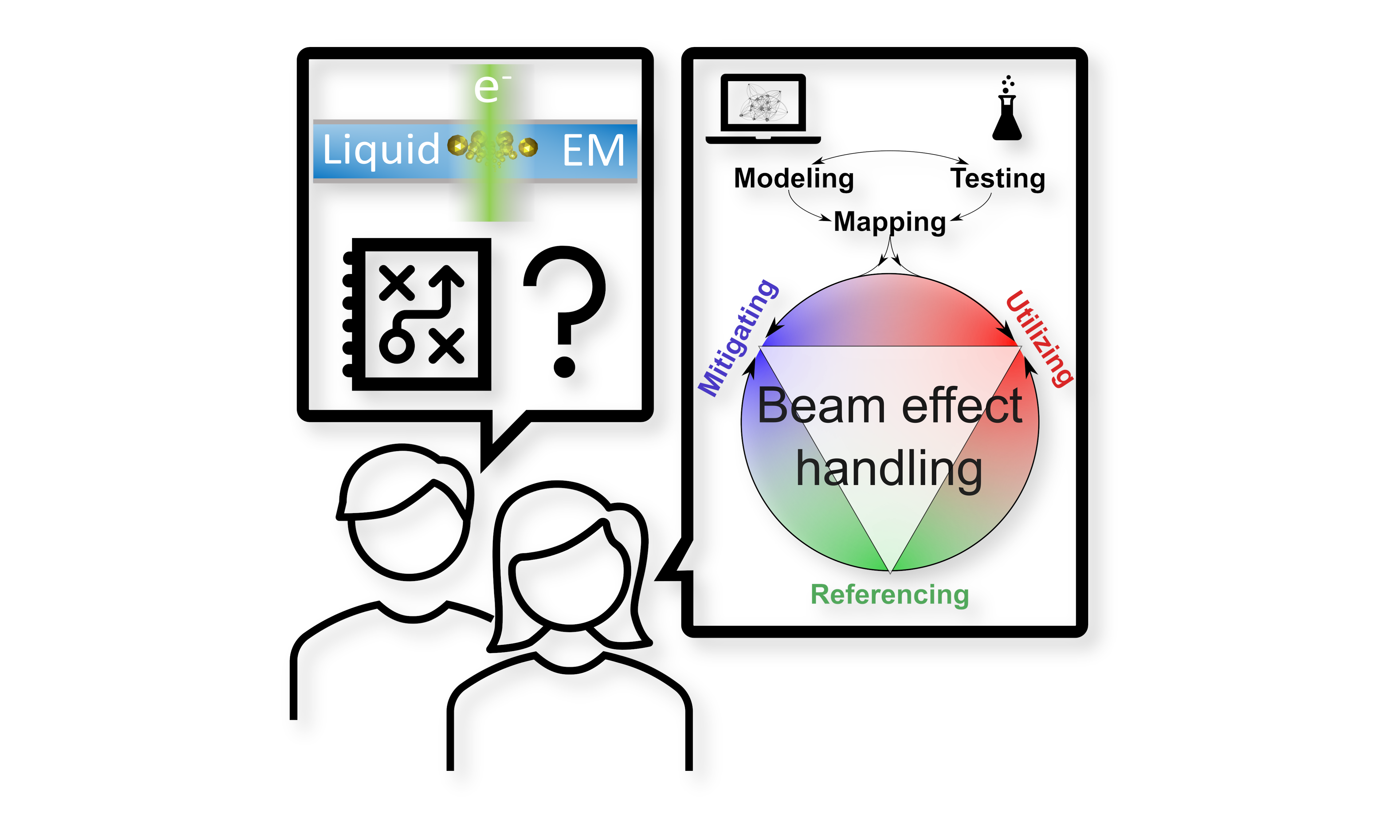
The goal of the research is to bridge the gap between LPEM model systems and practical applications. The complete list of this year’s speakers can be found on the GRS website. We would like to thank the German Society for Electron Microscopy (DGE), the Microscopy Society of Ireland (MSI), Insight Chips, and American Elements for their support. The next Gordon Research Seminar (LP-EM) is scheduled for January 2028. Dr. Giuseppe De Salvo (Jean Rouxel Institute of Materials in Nantes) and Sara Fatima (University of Limerick) will be leading the seminar.